What is an Airway Dentist?
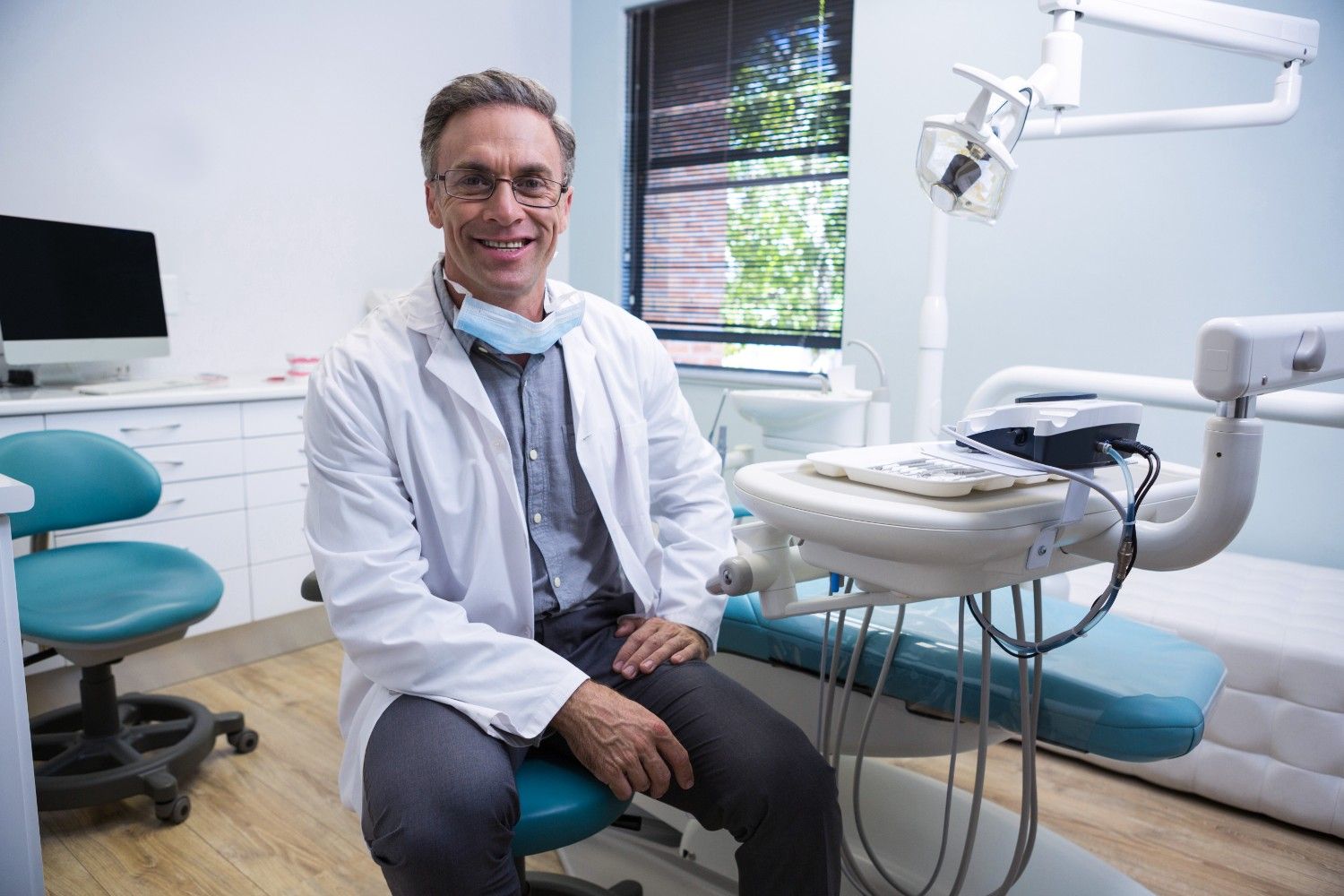
Airway dentistry is an often-overlooked specialty.
At Elite Dental Newtown, our specialist airway dentists are trained to look for and identify problems with airway health.
Despite the importance of airway function, many of our patients ask us, first and foremost: what is airway dentistry?
Airway orthodontics and dentistry is a holistic way to address dental and airway problems.
Like dental and gum issues, airway problems can have far-reaching, and highly impactful consequences for your broader wellbeing, and they’re more common than you might think.
In an Australian orthodontic population, about 7.3% of children were identified at risk of sleep‑disordered breathing (SDB) during routine assessments, with a higher risk observed in males over females.
Estimates suggest about 10% of the population has sleep apnoea, and up to 25% of men over 30 may be affected.
Airway restrictions like enlarged adenoids affect around 34% of preschool children, often contributing to chronic mouth breathing and associated craniofacial growth patterns.
Mouth breathing and airway dysfunction not only affect sleep patterns and general health, but have documented effects on dental development, occlusion, gum health and saliva flow, all of which are key concerns that an airway focused dentist can help address.
In the following article, we’ll address what is an airway dentist, what is the difference between an adult airway dentist and an airway focused paediatric dentist, and finally, how Elite Dental Newtown can help.
How is an airway dentist different from a traditional dentist?
Unlike a traditional dentist, airway focused orthodontics takes a broader view of dental care.
While a regular dentist focuses on teeth, gums and routine oral health (including standard fare like fillings, cleanings and preventing decay), airway dentists will look at how your mouth, jaw, tongue and facial structures influence breathing, sleep and overall wellbeing.
What conditions does an airways dentist treat?
So, what is airway dentistry primarily treating?
The following are common conditions that your airway dentist will be looking for during your assessment:
Obstructive Sleep Apnoea (OSA) (a major condition where your airway repeatedly narrows or collapses during sleep, disrupting breathing and sleep quality)
Snoring and Sleep‑Disordered Breathing
Chronic Mouth Breathing (can lead to dry mouth, gum disease, misaligned teeth and other dental and facial development issues)
Restricted or Narrow Jaws (can limit nasal airflow and contribute to sleeping and breathing difficulties)
Misaligned Bite and Malocclusions Related to Airway Issues (can lead to overbites, underbites or crossbites)
Disordered Breathing Patterns (other sleep breathing problems like upper airway resistance syndrome can disrupt sleep and oxygenation)
Orofacial Myofunctional Disorders (functional issues with tongue posture and muscles around the mouth that interfere with normal breathing, swallowing and even dental alignment)
Dental Signs Linked to Airway Dysfunction (teeth grinding, worn enamel or TMJ tension can be the body’s response to compromised airflow during sleep)
Signs you may need airway dentistry
Your airway dentist will perform a thorough examination, but you may want to book an appointment if you notice any or the following:
Mouth breathing during the day or night. This can be a red flag for restricted nasal airway or upper airway issues. Mouth breathing can lead to dry mouth, reduced saliva and higher risk of decay and gum problems.
Loud snoring or noisy breathing while asleep. This can signal partial airway obstruction and is often associated with sleep‑disordered breathing.
Waking up tired, fatigued or with headaches. This can indicate disrupted airway function overnight, which affects oxygen intake and restfulness.
Dry mouth, dry lips or bad breath on waking. These symptoms often come with mouth breathing and can be early signs that your airway isn’t working as efficiently as it could.
Grinding or clenching teeth (bruxism). This can be the body’s subconscious attempt to open up a restricted airway.
Jaw pain, discomfort or TMJ tension. This could be connected to compensatory patterns from airway restriction.
Crowded or narrow dental arches. A higher, narrow palate or crowded teeth can suggest limited space for proper tongue posture and nasal airflow.
Forward head posture or resting with your mouth open. These postural habits can develop as your body unconsciously tries to increase airway space.
Behavioural or daytime focus issues. Chronic sleep disruption from airway problems can show up as trouble concentrating, low energy, irritability or mood changes.
Snoring, gasping or waking up short of breath: Episodes where breathing temporarily stops or you wake feeling short of breath may point to sleep‑related breathing disorders.
How an airway-focused dentist assesses your airway
So, what is airway orthodontics in practice?
At Elite Dental, our process is thorough and focuses on understanding your breathing patterns and how they are impacting your general health.
For most of our patients, we will take the following approach :
1. Listen and review your history:
The first step is a conversation about your breathing, sleep habits (like snoring or waking tired), mouth-breathing, headaches, or jaw tension.
2. Observe how you breathe and function:
Your dentist watches how you breathe at rest, whether through your nose or mouth, and checks posture, tongue posture and how your jaw sits.
3. Oral and facial structural exam:
With a gentle hands-on check, the dentist evaluates your teeth, jaw alignment, dental arches, tongue size and position, palate shape and bite.
Structural clues can point to restricted airflow or compensatory habits.
4. Breathing and airway evaluation:
Specialists assess your airway space by looking at how the soft tissues in your mouth and throat interact with jaw posture and tongue position.
Teaming this with questionnaires about snoring, daytime fatigue or disrupted sleep builds a full picture.
5. Imaging and technology (when needed):
If more detail is needed, tools like digital X-rays, 3D cone-beam CT scans or even pulse oximetry can show internal airway structure, nasal passages and where restrictions might occur.
6. Collaborative evaluation:
Sometimes the dentist works with or refers you to other professionals (like sleep physicians or ENT specialists).
7. Personalised findings and plan:
Once the assessment is complete, your dentist explains what they found how your airway and breathing patterns might be affecting sleep, health or dental function, and outlines treatment options.
Airway orthodontics for adults vs airway-focused paediatric dentist
Aspect | Airway Dentist for Adults | Airway Dentist for Kids |
Primary Objective | To improve breathing, sleep quality and jaw alignment in fully grown patients; reduce snoring and sleep apnoea symptoms while addressing jaw misalignment and relapse from prior orthodontic work. | To guide jaw and facial growth early to prevent airway restriction and dental issues; support optimal development and minimise future breathing problems or complex orthodontic treatment. |
Common Treatments |
|
|
Airway Focus | Treats airway issues as part of broader functional concerns (snoring, sleep apnoea, jaw pain), often in collaboration with other healthcare professionals. | Focuses on preventing airway restriction before it becomes entrenched by allowing natural jaw growth and nasal breathing. |
Typical Indicators for Intervention | Persistent snoring or diagnosed sleep‑disordered breathing, relapse after previous orthodontic treatment, TMJ pain, fatigue or improper jaw function. | Mouth breathing and restless sleep, narrow arches or crowding in mixed dentition, behavioural concerns linked to poor sleep quality. |
Benefits Focus | Improved airway function and nasal breathing, better sleep and reduced OSA symptoms, enhanced jaw alignment and long‑term stability. | Encourages proper jaw and facial development, reduces risk of future airway restriction, often results in fewer surgical needs later. |
Looking for an airway dentist near me? Elite Dental can help.
If you’re searching for airway dentists near me, look no further than Elite Dental.
As an experienced airway dentist in Sydney, we specialise in identifying and treating airway issues that can impact your dental health, sleep quality, and even your posture.
Our highly trained team uses the latest diagnostic tools and techniques to evaluate your airway function, ensuring that we address any potential concerns early.
By choosing Elite Dental Newtown, you’re not just opting for expert dental care, but a holistic approach that promotes better breathing, healthier development for children, and improved outcomes for adults.
Schedule your first visit with Newtown Elite Dental today.