Listen
discuss your concerns, goals and relevant health history
Root canal therapy
Assessment and treatment for an inflamed or infected tooth, with the aim of relieving symptoms and retaining the natural tooth where clinically appropriate.
Newtown Elite Dental
Level 1, 170A King Street, Newtown
16 years in Newtown
Could this help?
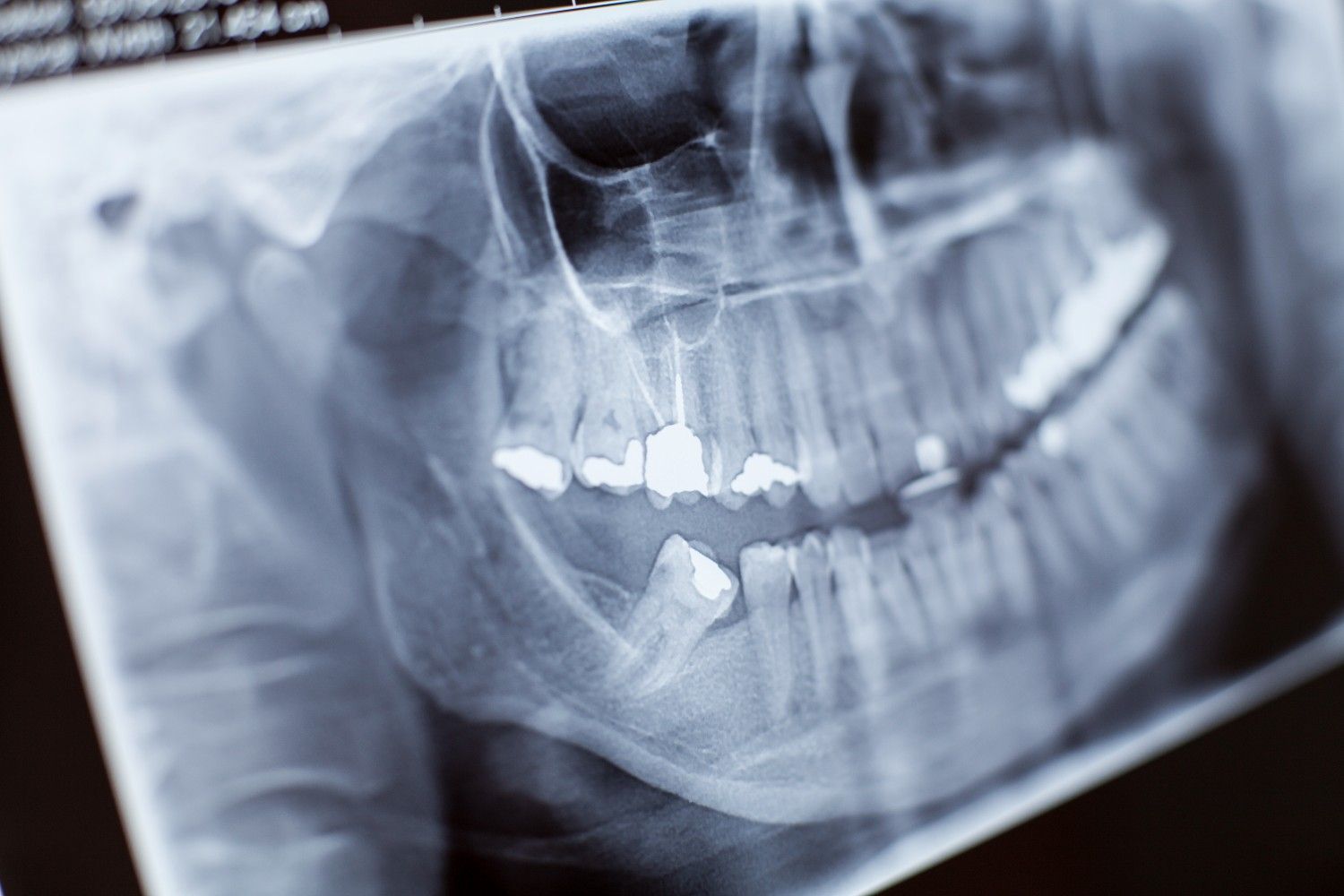
The pulp is the soft tissue inside a tooth containing nerves and blood vessels. Deep decay, a crack or fracture, trauma, a large filling or repeated dental work can cause it to become inflamed or infected. Some affected teeth have few symptoms, so diagnosis requires an examination.
Root canal treatment removes inflamed or infected tissue from inside the tooth, cleans and disinfects the canals and seals them to help retain the tooth. It is recommended only when assessment indicates that it is suitable.
Personalised care
Assessment helps determine whether root canal treatment, monitoring, extraction or referral is appropriate and whether the tooth can be predictably restored afterward.
Treatment is performed with local anaesthetic and may require more than one appointment. The exact sequence depends on the tooth, infection, symptoms and restoration required.
We understand that root canal treatment can feel intimidating. Local anaesthetic is used during treatment, and temporary tenderness or sensitivity afterward can usually be managed with the personalised advice provided by your clinician.
Root canal treatment may relieve symptoms caused by pulp inflammation or infection and help retain the natural tooth. Long-term outcome depends on the condition of the tooth, quality of the final restoration, healing, oral hygiene and ongoing review.
What to expect with Root Canal Treatment
We identify the source of the problem, explain whether the tooth can be retained and outline the treatment, restoration, timing and fees before proceeding.
discuss your concerns, goals and relevant health history
examine the teeth, gums, bite and surrounding structures
share the findings, suitable options and limitations clearly
agree on an appropriate sequence, timing and follow-up
Common questions
Clear information is part of good care. These answers are a starting point for your conversation.
Possible signs include persistent toothache, pain when biting, lingering temperature sensitivity, swelling, discolouration or an abscess. Some teeth cause few symptoms, so an examination and appropriate imaging are needed for diagnosis.
Local anaesthetic is used during treatment. Experiences vary, but the aim is to keep you comfortable while the tooth is treated. Temporary tenderness afterward can occur and personalised aftercare instructions are provided.
Root canal treatment may require one or more appointments depending on the tooth, infection, symptoms and treatment response. A separate visit may also be required for the final restoration or crown.
The affected tissue is removed, and the canals are cleaned, shaped, disinfected and sealed. The tooth is then restored with an interim or definitive restoration and reviewed as appropriate.
A crown or another protective restoration may be recommended when the tooth is weakened or at greater risk of fracture. The recommendation depends on the tooth, remaining structure, bite and existing restoration.
Fees depend on the tooth, canal anatomy, number of appointments, complexity and final restoration required. We explain the recommended treatment and costs after assessment and can discuss available payment-plan options.
Appointments in Newtown
Book online for a tooth pain assessment, or call our team if your symptoms feel urgent.