Lost or Broken Retainer? What to Do Next
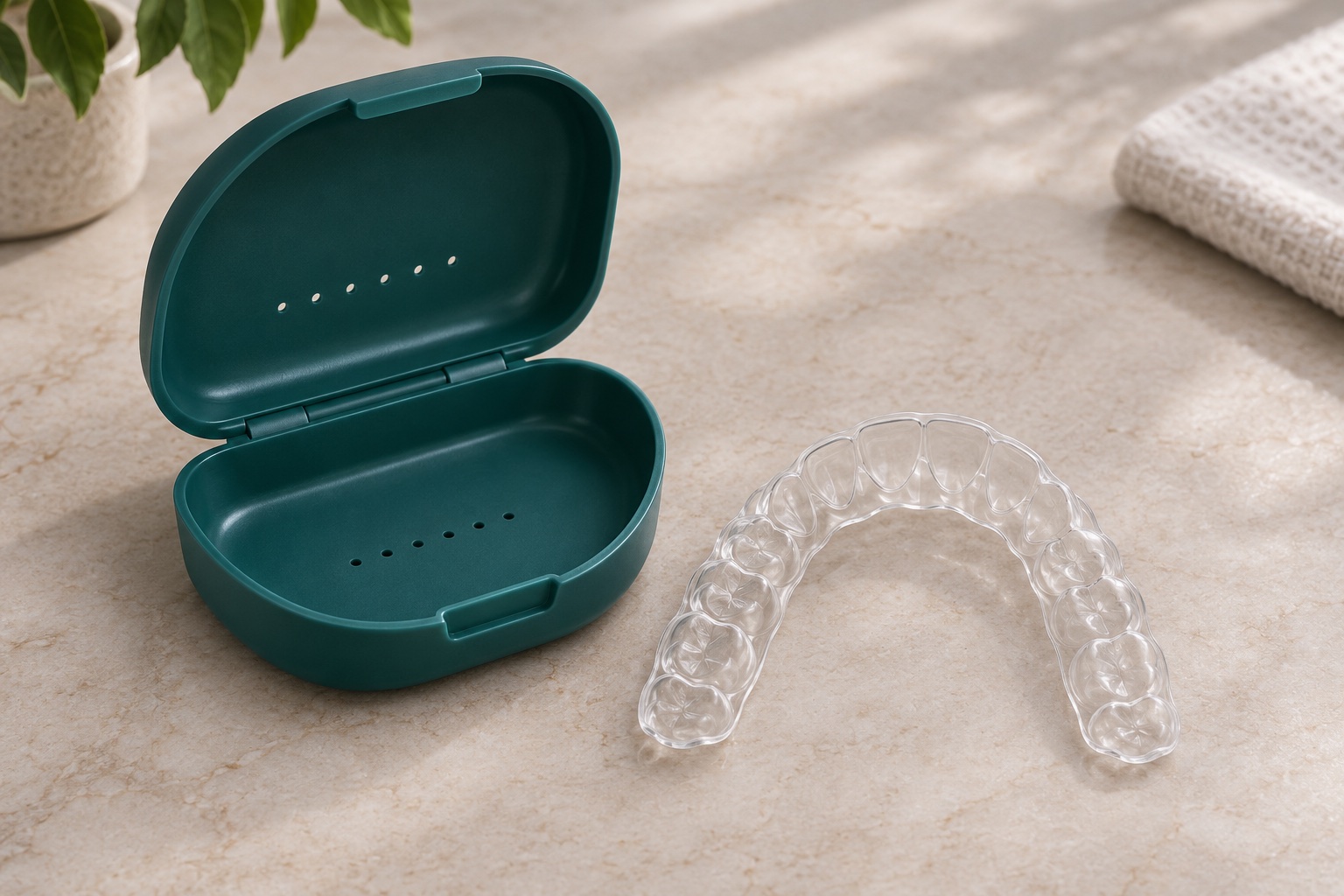
If your retainer has gone missing after braces or clear aligners, or it suddenly feels different when you put it in, contact your treating dentist or orthodontist. Explain what changed and when you last wore it. Our Newtown team can help you work out whether to arrange a retainer assessment.
Leave a sharp, painful or distorted retainer out until your clinician advises you. A retainer that no longer fits should never be forced into place.
Why is wearing your retainer important?
After orthodontic treatment, your teeth do not necessarily remain in their new positions without retention. The supporting tissues continue to adapt, and teeth can change position throughout life. A removable or fixed retainer helps maintain alignment, but it may need maintenance, adjustment or replacement over time.
6 things to do if your retainer is lost or broken
1. Contact your dental practitioner
Contact your treating dentist or orthodontist when you notice that your retainer is missing, damaged or not fitting properly. They can advise whether an assessment or replacement is needed based on your treatment history and current tooth alignment.
2. Do not attempt DIY repairs
Do not glue, heat, bend or reshape a retainer yourself. A cracked, sharp, distorted or painful retainer may irritate your mouth or apply unwanted pressure to your teeth. Ask your clinician whether it is safe to wear while you arrange an assessment.
3. Do not force an old retainer into place
If you find a missing retainer or have an older spare, do not force it over your teeth if it feels unusually tight, causes pain or does not fully seat. Tooth movement or changes to the appliance may have affected its fit. Check with your treating clinician before using it.
4. Ask whether a replacement is appropriate
Your clinician may be able to arrange a replacement, but the next step depends on whether your teeth have moved and how your existing retainer fits. Some patients may need further assessment or orthodontic correction before a new retainer is made.
5. Have a loose or broken fixed retainer checked
A fixed retainer is usually a wire bonded behind the front teeth. If the wire breaks, bends or detaches from even one tooth, contact your clinician. A partially detached wire may not retain the teeth as intended and can sometimes cause irritation or unwanted tooth movement. Do not pull it off or try to reattach it yourself.
6. Follow your individual wearing instructions
If you receive a replacement retainer, follow the wearing and care schedule provided by your clinician. The appropriate schedule varies according to your orthodontic history and type of retainer.
How quickly can teeth move without a retainer?
There is no single timeframe. Some people notice a change in fit or alignment relatively soon after stopping retainer wear, while others notice changes gradually. The risk depends on factors including how recently treatment finished, your previous tooth positions and your individual retention needs. If your retainer is missing or does not fit, seek personalised advice rather than waiting for visible movement.
How to reduce the chance of losing or damaging your retainer
Store a removable retainer in its protective case when not in use.
Avoid wrapping it in tissues or leaving it on a food tray or table.
Keep it away from pets and heat, which can damage some retainer materials.
Clean it as directed by your dental practitioner; avoid methods that may distort the appliance.
Frequently asked questions
Can my teeth move after one night without a retainer?
Tooth movement varies between individuals, and a single missed night does not have the same effect for everyone. Resume your prescribed schedule if your retainer still fits comfortably, or contact your clinician if its fit has changed.
Can I wear an old retainer if it still fits?
An older retainer may not be appropriate even if it appears to fit. Ask your treating clinician before switching to an old retainer or previous aligner, especially if it feels tight or uncomfortable.
Can a broken retainer be repaired?
Some fixed retainers may be rebonded or repaired, while a damaged removable retainer may need replacing. This depends on the type and condition of the appliance. A clinical assessment can establish the appropriate option.
What if my permanent retainer wire comes loose?
Arrange a check with your dental practitioner. Avoid pulling or bending the wire and let the clinician know if it is causing discomfort or has become sharp.
Will I need braces or clear aligners again if my teeth have moved?
Not necessarily. The options depend on how much movement has occurred and your treatment goals. Your clinician can assess whether a replacement retainer is suitable or further orthodontic treatment should be discussed.
Arrange a retainer assessment in Newtown
Call 02 9519 6098 or contact our King Street practice to discuss a retainer assessment. Bring your retainer if you still have it. Read about our orthodontic care and clear aligner treatment.
Australian references
Australian Society of Orthodontists — After Active Orthodontic Treatment (2022)
Australian Dental Association — Advertising in Dentistry policy (2025)
This article provides general information and is not a substitute for personalised clinical advice.